

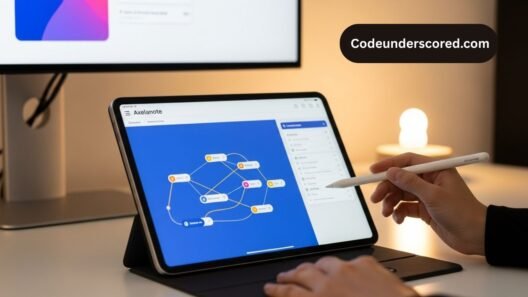

In today’s fast-moving professional landscape, collaboration is no longer optional—it is essential. Teams now span continents, time zones, and cultures, which means traditional collaboration models often fall short. This is where Tiimatuvat emerges as a forward-thinking concept. Rather than focusing only on tools or workflows, Tiimatuvat represents a holistic approach to teamwork, blending digital efficiency with human-centered collaboration.
As organizations continue to adapt to remote and hybrid environments, Tiimatuvat offers a framework that aligns productivity, transparency, and shared purpose. More importantly, it reflects how modern teams actually work—fluid, connected, and outcome-driven.
Understanding the Concept of Tiimatuvat
At its core, Tiimatuvat can be understood as a collaborative ecosystem designed to support teams in planning, execution, and communication. The term emphasizes unity and shared responsibility, while also recognizing individual contributions. Unlike rigid team structures, Tiimatuvat promotes flexibility and adaptability.
Rather than forcing teams into predefined molds, this concept encourages organic collaboration. As a result, creativity thrives and accountability remains intact. Furthermore, Tiimatuvat values clarity over control, which makes it especially relevant in knowledge-based industries.
The Philosophy Behind Tiimatuvat
The philosophy of Tiimatuvat revolves around trust, visibility, and continuous improvement. Instead of relying on top-down management alone, teams are empowered to self-organize. Consequently, decision-making becomes faster and more informed.
In addition, Tiimatuvat places strong emphasis on shared goals. When everyone understands not just what they are doing but why they are doing it, motivation naturally increases. Over time, this shared understanding helps reduce friction and misalignment.
Tiimatuvat in Remote and Hybrid Work Environments
Remote work has changed how teams interact. While flexibility has increased, isolation and miscommunication have also become common challenges. Tiimatuvat directly addresses these issues by prioritizing structured collaboration without micromanagement.
For example, regular virtual touchpoints, shared digital spaces, and transparent task ownership help maintain alignment. At the same time, team members retain autonomy over how they complete their work. As a result, productivity improves without sacrificing well-being.
Moreover, hybrid teams benefit from Tiimatuvat because it creates equal participation opportunities for both in-office and remote employees. Everyone stays connected, regardless of location.
Key Features That Define Tiimatuvat
Several defining features make Tiimatuvat stand out as a collaboration model:
1. Shared Visibility
All team members have access to goals, progress updates, and responsibilities. This visibility reduces confusion and eliminates redundant work.
2. Role Clarity
While collaboration remains flexible, roles are clearly defined. Therefore, ownership stays strong and accountability remains consistent.
3. Continuous Feedback
Rather than waiting for formal reviews, feedback flows continuously. This allows teams to adapt quickly and improve in real time.
4. Outcome-Oriented Collaboration
Instead of measuring effort alone, Tiimatuvat focuses on outcomes. Consequently, teams prioritize impact over activity.
How Tiimatuvat Enhances Team Productivity
Productivity often suffers when teams lack alignment. Tiimatuvat solves this by creating a shared operational rhythm. Everyone knows priorities, deadlines, and dependencies, which reduces delays.
Additionally, collaboration becomes more intentional. Meetings gain purpose, communication becomes concise, and decisions are documented clearly. Over time, teams spend less energy coordinating and more energy creating value.
Because of this structure, burnout also decreases. Team members can manage workloads more effectively and avoid last-minute chaos.
Tiimatuvat and Digital Collaboration Tools
Although Tiimatuvat is not limited to a single platform, it integrates seamlessly with modern digital tools. Project management software, communication apps, and shared documentation systems all support this model.
However, tools remain secondary to mindset. Tiimatuvat encourages teams to use technology as an enabler rather than a distraction. By setting clear usage norms, teams avoid tool overload and maintain focus.
Furthermore, automation plays a supportive role. Repetitive tasks can be streamlined, allowing teams to dedicate more time to strategic thinking.
Cultural Impact of Adopting Tiimatuvat
Beyond workflows, Tiimatuvat influences team culture. Transparency builds trust, while shared ownership fosters mutual respect. Over time, collaboration becomes less transactional and more relational.
This cultural shift proves especially valuable for growing organizations. As teams scale, maintaining cohesion becomes difficult. Tiimatuvat provides a cultural anchor that keeps everyone aligned with core values.
In addition, new team members onboard faster. Clear structures and open communication help them integrate smoothly into ongoing projects.
Challenges in Implementing Tiimatuvat
Despite its benefits, implementing Tiimatuvat requires intentional effort. Resistance to change often emerges, especially in organizations accustomed to rigid hierarchies. To overcome this, leadership must model collaborative behavior.
Another challenge involves balance. Too much flexibility can lead to ambiguity if expectations are unclear. Therefore, teams must establish clear guidelines while remaining adaptable.
With consistent practice, however, these challenges become manageable. Gradual adoption often yields the best results.
Tiimatuvat as a Scalable Collaboration Model
One of the strongest advantages of Tiimatuvat lies in its scalability. Small teams can adopt it informally, while larger organizations can formalize it across departments. The principles remain consistent, even as complexity increases.
As teams grow, shared frameworks become essential. Tiimatuvat offers structure without rigidity, which allows innovation to continue at scale. Consequently, organizations remain agile in competitive markets.
The Future of Teamwork with Tiimatuvat
Looking ahead, collaboration will continue to evolve. Artificial intelligence, global talent pools, and asynchronous work will shape how teams operate. Tiimatuvat aligns naturally with these trends because it emphasizes adaptability and human connection.
Rather than replacing human collaboration, future technologies will enhance it. Tiimatuvat provides a foundation where technology and teamwork coexist effectively.
As organizations seek sustainable productivity models, concepts like Tiimatuvat will gain increasing relevance.
Conclusion: Why Tiimatuvat Matters Today
In a world where teamwork defines success, Tiimatuvat offers a modern, balanced approach to collaboration. It blends structure with flexibility, autonomy with accountability, and technology with human values.
By adopting Tiimatuvat, teams can work smarter, communicate better, and achieve meaningful outcomes together. More importantly, they can build collaborative cultures that endure change and drive long-term success.
Ultimately, Tiimatuvat is not just a way of working—it is a mindset for the future of teamwork.