





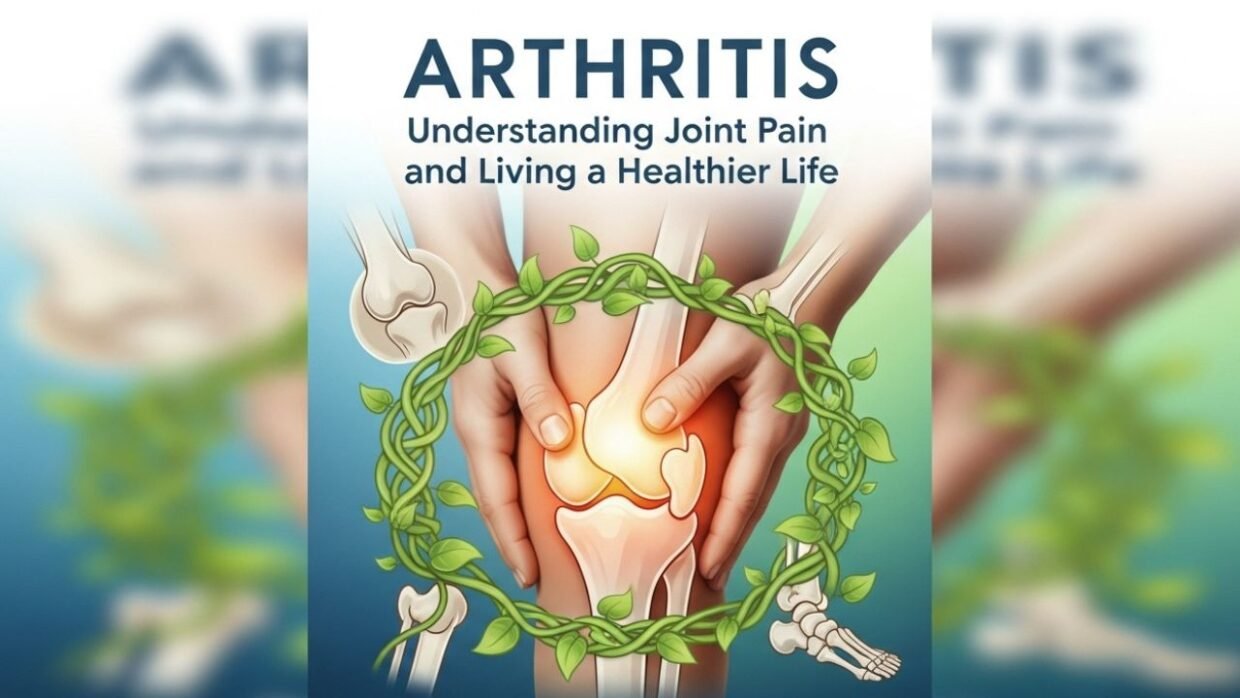
Attrities, more commonly known as arthritis, is a widespread health condition that affects millions of people around the world. It primarily targets the joints, causing pain, stiffness, and reduced mobility. Although it is often associated with aging, it can affect individuals of all ages. Therefore, understanding this condition is essential for maintaining long-term joint health and overall well-being.
In this article, we will explore what attrities is, its causes, symptoms, types, treatment options, and lifestyle strategies for better management.
What Is Attrities (Arthritis)?
Attrities refers to a group of conditions that cause inflammation and damage to one or more joints. Joints are the places where bones meet, allowing movement and flexibility. When these joints become inflamed, discomfort and limited motion often follow.
Moreover, arthritis does not represent a single disease. Instead, it includes more than 100 different types. Each type has unique causes and characteristics. However, joint pain and stiffness remain the most common features across all forms.
As a result, daily activities such as walking, writing, or lifting objects may become difficult over time.
Common Causes of Attrities
Several factors contribute to the development of attrities. While some causes cannot be changed, others can be managed with proper care.
1. Age-Related Wear and Tear
As people grow older, joint cartilage gradually breaks down. Consequently, friction between bones increases, leading to pain and stiffness.
2. Genetic Factors
In many cases, arthritis runs in families. Therefore, individuals with a family history may face a higher risk.
3. Injury and Overuse
Joint injuries from sports, accidents, or repetitive movements can increase the likelihood of arthritis later in life. For example, athletes and manual workers often experience joint stress.
4. Autoimmune Reactions
Some types of attrities occur when the immune system mistakenly attacks healthy joint tissues. As a result, inflammation and damage develop over time.
5. Lifestyle Factors
Obesity, poor posture, and lack of physical activity place extra pressure on joints. Consequently, these habits can accelerate joint deterioration.
Major Types of Attrities
Although many forms exist, some types are more common than others. Understanding them helps in choosing appropriate treatment.
Osteoarthritis
Osteoarthritis is the most common type. It develops when cartilage wears down gradually. As a result, bones rub against each other, causing pain and swelling. It mainly affects knees, hips, hands, and the spine.
Rheumatoid Arthritis
Rheumatoid arthritis is an autoimmune disease. The immune system attacks the lining of joints, leading to inflammation and deformity. Unlike osteoarthritis, it can affect both sides of the body equally.
Psoriatic Arthritis
This type affects people with psoriasis, a skin condition. In addition to joint pain, patients may experience skin rashes and nail problems.
Gout
Gout occurs when uric acid crystals build up in joints. It usually affects the big toe and causes sudden, intense pain.
Ankylosing Spondylitis
This form mainly affects the spine. Over time, it can cause vertebrae to fuse, reducing flexibility and mobility.
Common Symptoms of Attrities
Symptoms of attrities vary depending on the type and severity. However, some signs appear frequently across most forms.
-
Joint pain and tenderness
-
Swelling and inflammation
-
Stiffness, especially in the morning
-
Reduced range of motion
-
Warmth around joints
-
Fatigue and weakness
Moreover, symptoms may develop gradually or appear suddenly. In some cases, flare-ups occur, followed by periods of relief.
Therefore, early recognition plays a key role in effective management.
Diagnosis and Medical Evaluation
Proper diagnosis ensures accurate treatment. Doctors usually follow several steps to confirm arthritis.
First, medical history and symptom patterns are reviewed. Then, physical examinations assess joint movement and swelling. After that, imaging tests such as X-rays, MRIs, or CT scans may be used.
In addition, blood tests help identify autoimmune-related forms. Joint fluid analysis is sometimes performed to detect infections or crystal deposits.
As a result, doctors can determine the exact type and recommend suitable therapies.
Treatment Options for Attrities
Although arthritis has no permanent cure, many treatments help control symptoms and slow progression.
Medications
Doctors often prescribe pain relievers, anti-inflammatory drugs, or disease-modifying medications. These reduce swelling and improve comfort.
Physical Therapy
Exercise programs strengthen muscles around joints. Consequently, stability and flexibility improve. Physical therapists also teach proper movement techniques.
Assistive Devices
Braces, canes, and special footwear reduce joint stress. Therefore, daily activities become easier.
Injections
Corticosteroid or lubricant injections provide temporary relief. These are usually used when oral medications are insufficient.
Surgery
In severe cases, joint replacement or repair surgery may be recommended. Although surgery requires recovery time, it often restores mobility.
Lifestyle Changes for Better Management
Along with medical treatment, lifestyle adjustments play a crucial role in managing attrities.
Maintain a Healthy Weight
Extra weight increases pressure on joints, especially knees and hips. Therefore, weight management reduces pain and slows damage.
Stay Physically Active
Low-impact exercises such as walking, swimming, and cycling improve joint flexibility. Moreover, regular movement prevents stiffness.
Follow a Balanced Diet
A diet rich in fruits, vegetables, whole grains, and omega-3 fatty acids supports joint health. In addition, limiting processed foods reduces inflammation.
Practice Good Posture
Correct posture protects joints from unnecessary strain. Consequently, spinal and joint alignment improves.
Get Enough Rest
Adequate sleep allows the body to repair damaged tissues. Furthermore, rest reduces fatigue and stress.
Emotional and Mental Health Impact
Living with attrities affects more than physical health. Chronic pain often leads to anxiety, frustration, and depression. Therefore, emotional well-being should not be ignored.
Support groups, counseling, and stress-management techniques help individuals cope better. Moreover, maintaining social connections improves mental resilience.
By addressing both physical and emotional aspects, quality of life can be significantly enhanced.
Preventing Attrities and Reducing Risk
Although not all cases can be prevented, certain habits reduce the risk of developing arthritis.
-
Exercise regularly to strengthen joints
-
Avoid repetitive strain
-
Use protective equipment during sports
-
Maintain proper nutrition
-
Treat joint injuries promptly
As a result, joint health can be preserved for a longer time.
Living Positively with Attrities
Despite its challenges, many people lead active and fulfilling lives with attrities. With proper treatment, self-care, and support, symptoms can be managed effectively.
Setting realistic goals, staying informed, and following medical advice are essential steps. Moreover, focusing on abilities rather than limitations encourages confidence and independence.
Over time, consistent efforts lead to improved comfort and mobility.
Conclusion
Attrities, or arthritis, is a complex yet manageable health condition. It affects joints, mobility, and daily functioning. However, with early diagnosis, appropriate treatment, and healthy lifestyle choices, its impact can be greatly reduced.
By understanding its causes, recognizing symptoms, and adopting preventive strategies, individuals can protect their joint health. Furthermore, emotional support and positive thinking contribute to long-term well-being.
Ultimately, while attrities may present challenges, it does not have to define one’s life. With the right approach, a healthy and active future remains achievable.
