



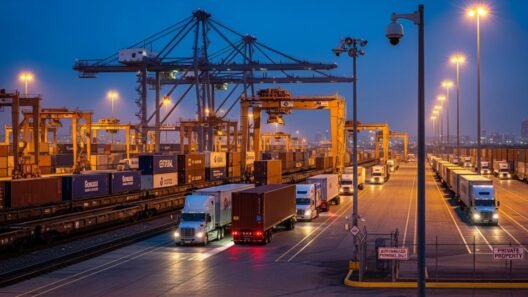
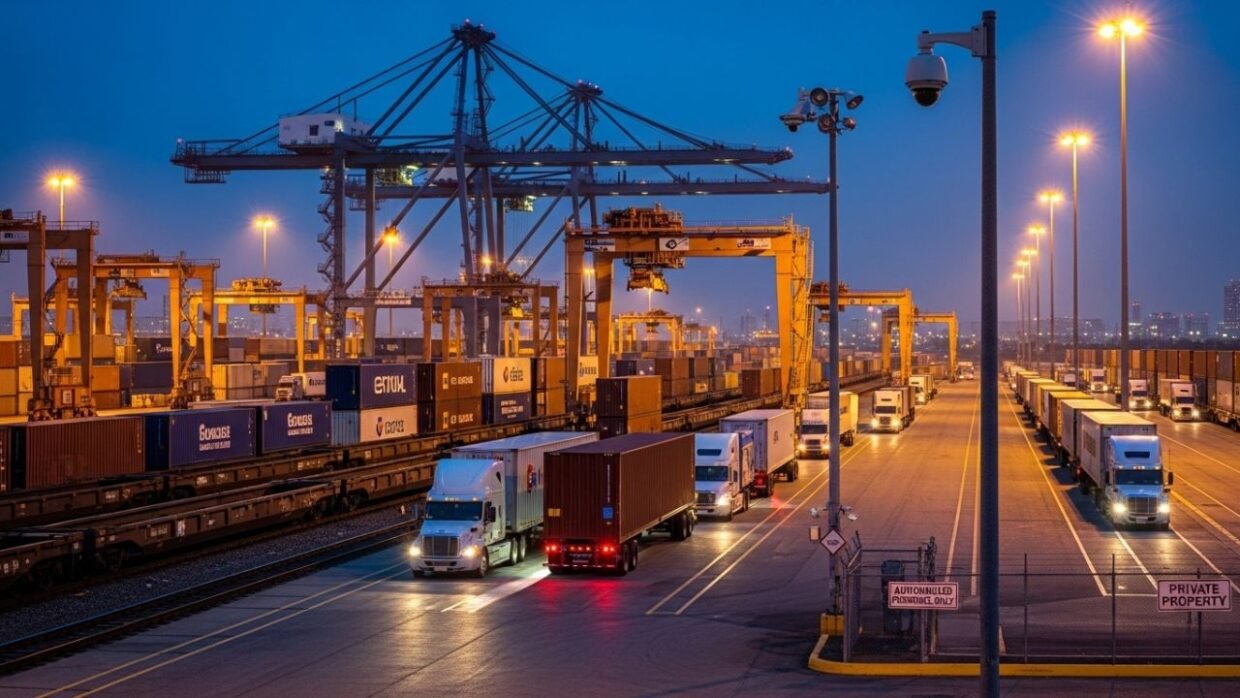
In today’s fast-paced world, the logistics industry is constantly evolving. As businesses seek new ways to streamline operations and enhance efficiency, private freight terminals are emerging as a game-changer. These specialized facilities not only cater to unique cargo needs but also offer unmatched security and speed in handling shipments. Whether you’re a small business owner or part of a large corporation, understanding how these terminals work can significantly impact your supply chain management. Let’s explore the ins and outs of private freight terminals and discover how they could revolutionize your cargo logistics!
Advantages of Private Freight Terminals
Private freight terminals offer numerous advantages that make them an attractive option for businesses involved in cargo logistics. First and foremost, they provide increased control over the supply chain, allowing companies to manage their shipments more effectively.
These facilities can be tailored to meet specific operational needs. Customization enhances efficiency and minimizes delays during loading and unloading processes.
Security is another critical benefit of private freight terminals. With dedicated access points and surveillance systems, these terminals ensure that cargo remains safe from theft or damage.
Moreover, proximity to key transportation routes reduces transit times significantly. This results in quicker deliveries and better overall service for customers.
Operating a private terminal can lead to cost savings over time by streamlining operations and reducing reliance on public infrastructure. These factors combined create a compelling case for investing in a private freight terminal as part of a comprehensive logistics strategy.
Features and Services Offered by Private Freight Terminals
Private freight terminals offer a diverse range of features tailored to meet the needs of businesses. One prominent service is custom loading and unloading facilities, designed for quick turnaround times.
Security is paramount in cargo logistics. Private freight terminals often come equipped with advanced surveillance systems and controlled access points, ensuring that goods remain safe throughout their journey.
Additionally, many terminals provide specialized storage solutions. These can include temperature-controlled environments and hazardous material handling areas, catering to various industries’ requirements.
Value-added services like inventory management and real-time tracking enhance operational efficiency. Businesses benefit from better visibility into their supply chains.
Moreover, dedicated customer service teams are typically available to assist clients with specific inquiries or concerns. This personal touch helps streamline communication between all parties involved.
How Private Freight Terminals Improve Cargo Logistics
Private freight terminals play a crucial role in enhancing cargo logistics. They provide dedicated facilities that streamline the movement of goods. This specialization reduces delays often associated with public terminals.
With direct access to major transportation networks, private terminals minimize transit times. Companies can move freight swiftly, which is vital for maintaining supply chain efficiency.
Moreover, these terminals offer customized services tailored to specific business needs. Whether it’s specialized handling or temperature-controlled storage, businesses benefit from flexibility.
Enhanced security measures at private freight terminals further ensure the protection of valuable cargo. Advanced tracking systems also allow real-time monitoring, giving stakeholders peace of mind throughout the shipping process.
By optimizing operations and reducing bottlenecks, private freight terminals significantly elevate overall logistics performance for businesses across various industries.
Case Studies: Successful Implementation of Private Freight Terminals
Several companies have reaped the benefits of private freight terminals, showcasing their potential in enhancing efficiency. One notable example is a major automotive manufacturer that established its own terminal to streamline parts delivery. This initiative reduced transit times significantly and minimized delays in production.
Another case involves a pharmaceutical company that required precise control over its cargo logistics. By implementing a private freight terminal, they ensured temperature-sensitive shipments were handled with utmost care. The result was not only enhanced reliability but also improved compliance with regulatory standards.
In yet another instance, an e-commerce giant built a dedicated freight facility to manage its growing demand for rapid deliveries. This move led to remarkable reductions in shipping costs and increased customer satisfaction levels due to quicker turnaround times.
These examples illustrate how tailored solutions can drive operational success across different industries through strategic use of private freight terminals.
Challenges and Solutions for Establishing a Private Freight Terminal
Establishing a private freight terminal comes with its share of hurdles. One significant challenge is navigating regulatory requirements. Securing permits and adhering to local zoning laws can be time-consuming.
Infrastructure investment presents another obstacle. Building the necessary facilities demands substantial capital, which may deter potential investors. However, innovative financing models like public-private partnerships can provide viable solutions.
Another concern involves integrating technology for efficient operations. Many terminals struggle with outdated systems that hinder productivity. Investing in modern logistics software can streamline processes and improve data accuracy.
Additionally, attracting skilled labor is essential but challenging in a competitive job market. Offering training programs and competitive wages can help draw talent to these specialized roles.
Maintaining security protocols poses ongoing challenges in today’s world of heightened threats. Implementing advanced surveillance systems and regular audits ensures cargo safety while fostering client trust.
Future of Private Freight Terminals in the Logistics Industry
The future of private freight terminals is poised for significant transformation. As technology advances, these facilities will integrate more automation and artificial intelligence. This shift will enhance efficiency in cargo handling and tracking systems.
Sustainability is another key trend shaping their evolution. Companies are increasingly focusing on reducing carbon footprints. Private freight terminals can play a vital role by adopting eco-friendly practices, such as using renewable energy sources.
Moreover, the demand for customized logistics solutions continues to rise. Private terminals offer flexibility that meets specific business needs. They’ll likely evolve into hubs that cater to niche markets with specialized services.
With globalization expanding trade networks, these terminals will become crucial nodes in international supply chains. Enhanced connectivity and strategic locations will facilitate smoother transitions between different modes of transportation.
Conclusion
Private freight terminals play a pivotal role in modern logistics. They enhance the efficiency and security of cargo movement, making them an attractive option for businesses looking to streamline their operations.
The advantages they offer are notable. With dedicated facilities, reduced congestion, and tailored services, companies can experience faster turnaround times and improved inventory management. Features like advanced tracking systems further add to their appeal.
As shown through various case studies, organizations that implement private freight terminals often see significant improvements in their logistics processes. However, establishing such facilities is not without challenges. Addressing regulatory hurdles and initial capital investments requires careful planning.
Looking ahead, the future appears bright for private freight terminals within the logistics sector. As global trade continues to evolve, these specialized hubs will likely become even more integral in facilitating swift and secure cargo transport.
Investing in a private freight terminal could be a game-changer for businesses seeking competitive advantage in an increasingly dynamic marketplace.